
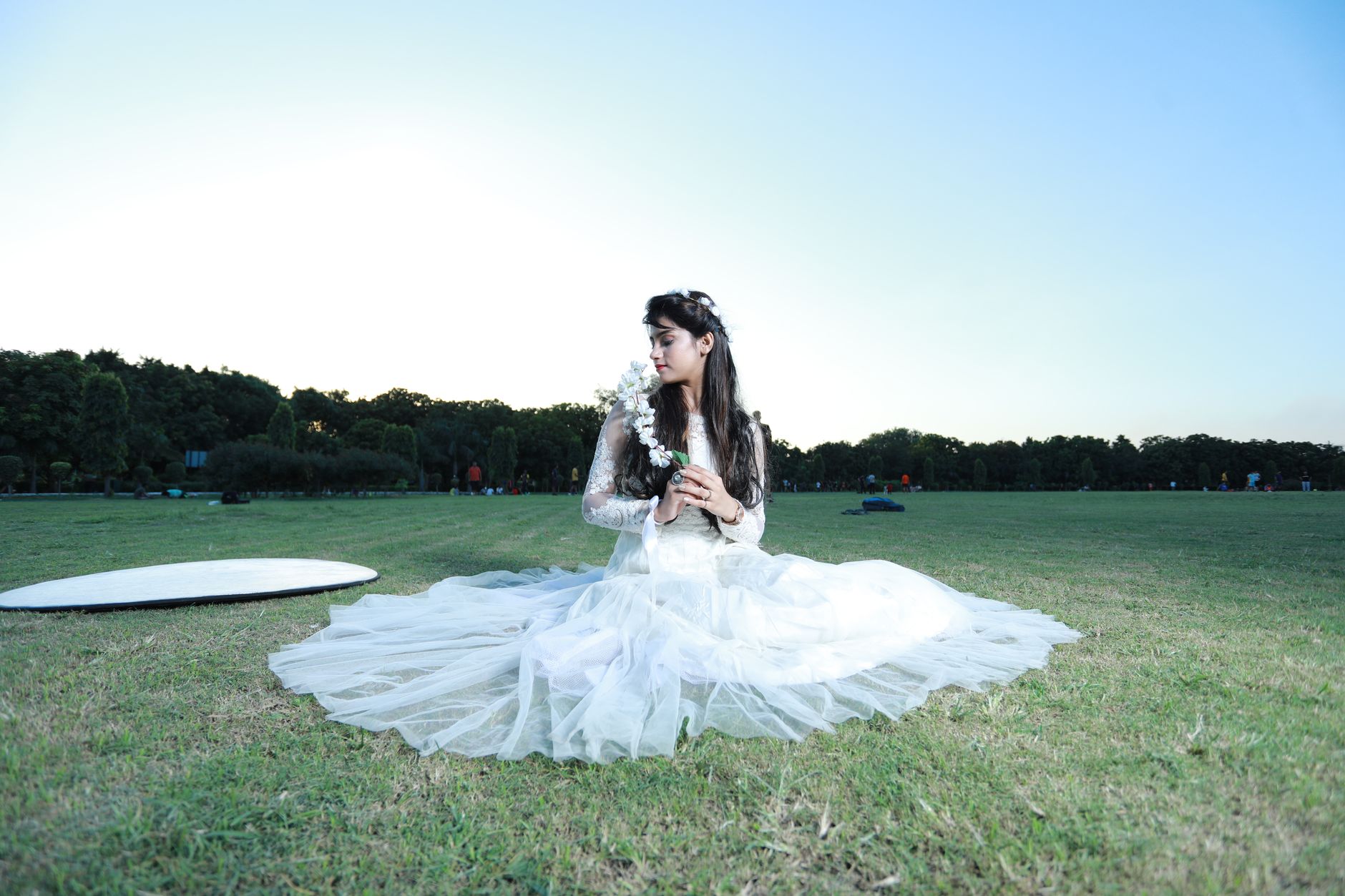
A gown is chosen with the eyes but worn with the whole body. Few brides stand at the mirror wondering how much a dress will weigh after eight hours of standing, dancing and being photographed. This season, lightness has quietly become the preoccupation of the ateliers: layers of silk tulle, chiffon and georgette that move like breath, and beading that is small and tonal rather than loud. A gown can still be opulent — it simply no longer has to be heavy.
Where the weight comes from
It is rarely one single thing. Weight accumulates: the face fabric, the lining, the interlayer that holds the shape, the boning in the bodice, the number and length of the skirt layers, and only then the embroidery and beads. Dense satin, heavy lace and a richly embellished corset easily add up to several kilograms. A gown in chiffon or silk tulle, softly lined and embroidered only across the bodice, stays noticeably lighter while reading just as full.
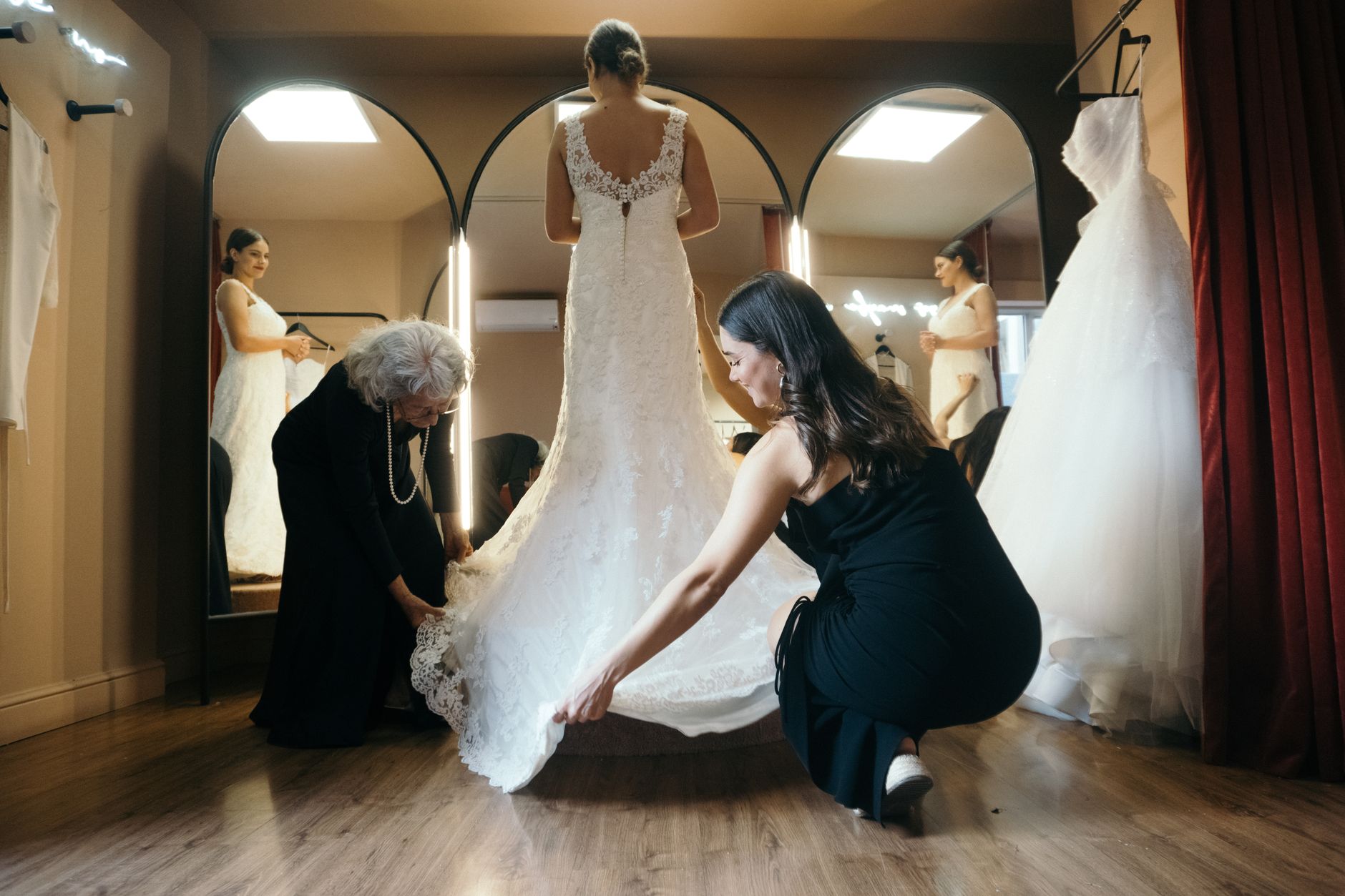
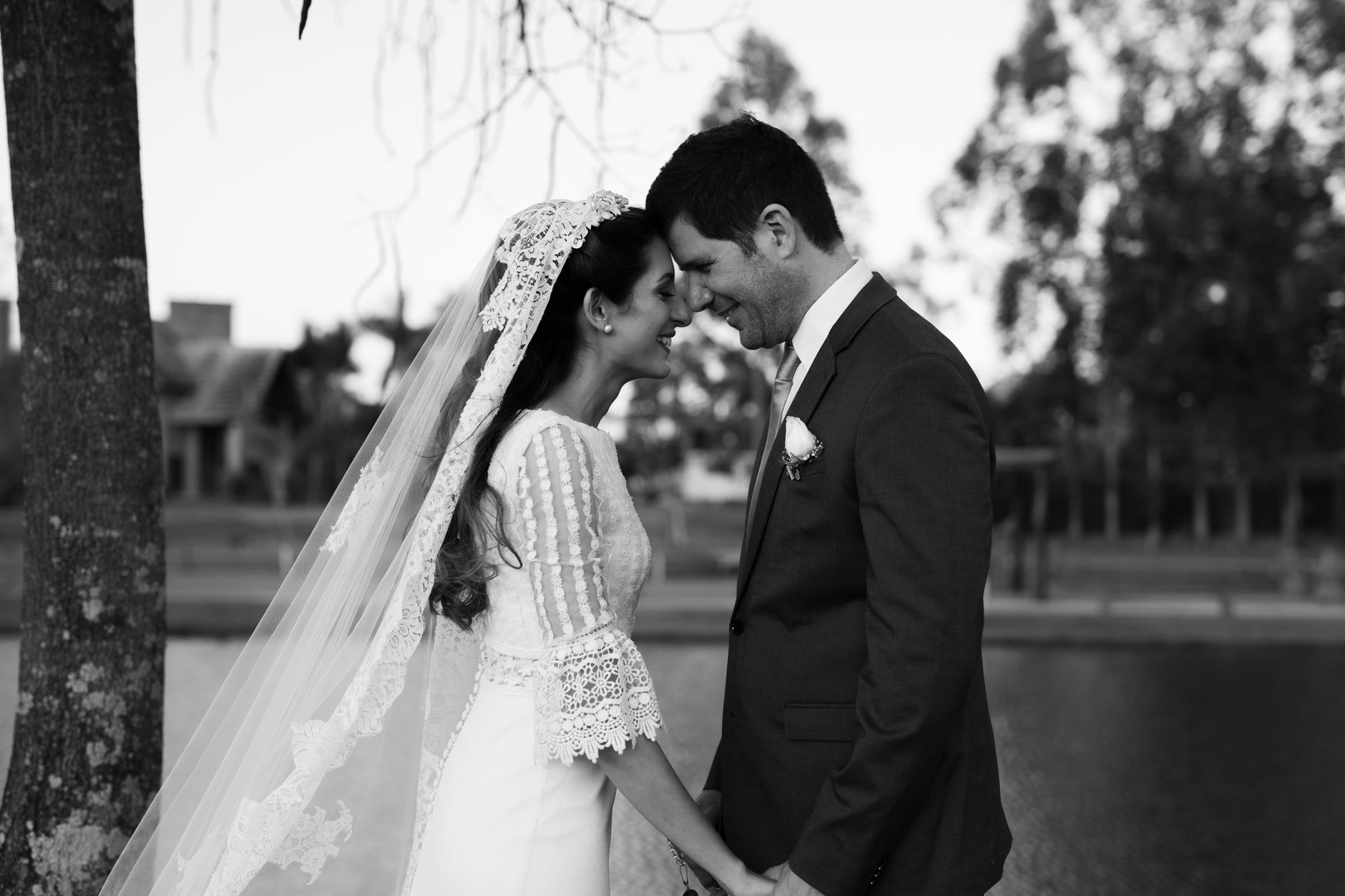
The train is its own question. The longer it is, the more fabric follows you, and that pull is felt across the shoulders and lower back. The same is true of the veil: a long one in fine tulle is barely noticeable, while a lace edge running the full length draws the head gently backwards.
What to test at a fitting
Weight is not something you read on a label. It reveals itself in a few unhurried minutes in the fitting room. It is worth taking time to:
- stand for longer than feels necessary — fatigue only arrives after the first minutes;
- sit down and rise unaided, because that is also how you will get into a car;
- lift your arms and embrace someone, to see whether the bodice holds itself or leans on your shoulders;
- walk with the train and turn, noticing exactly where the fabric drags;
- observe where the dress hangs from: a well-built gown rests on an inner waist stay, not on the straps.
Much of this can still be adjusted. A lining can be exchanged for a lighter one, a layer of tulle removed from the skirt, an inner ribbon added to take the load off the shoulders. That is precisely why weight belongs in the conversation at the first fitting, while there is room to alter it.
Light is not the same as plain
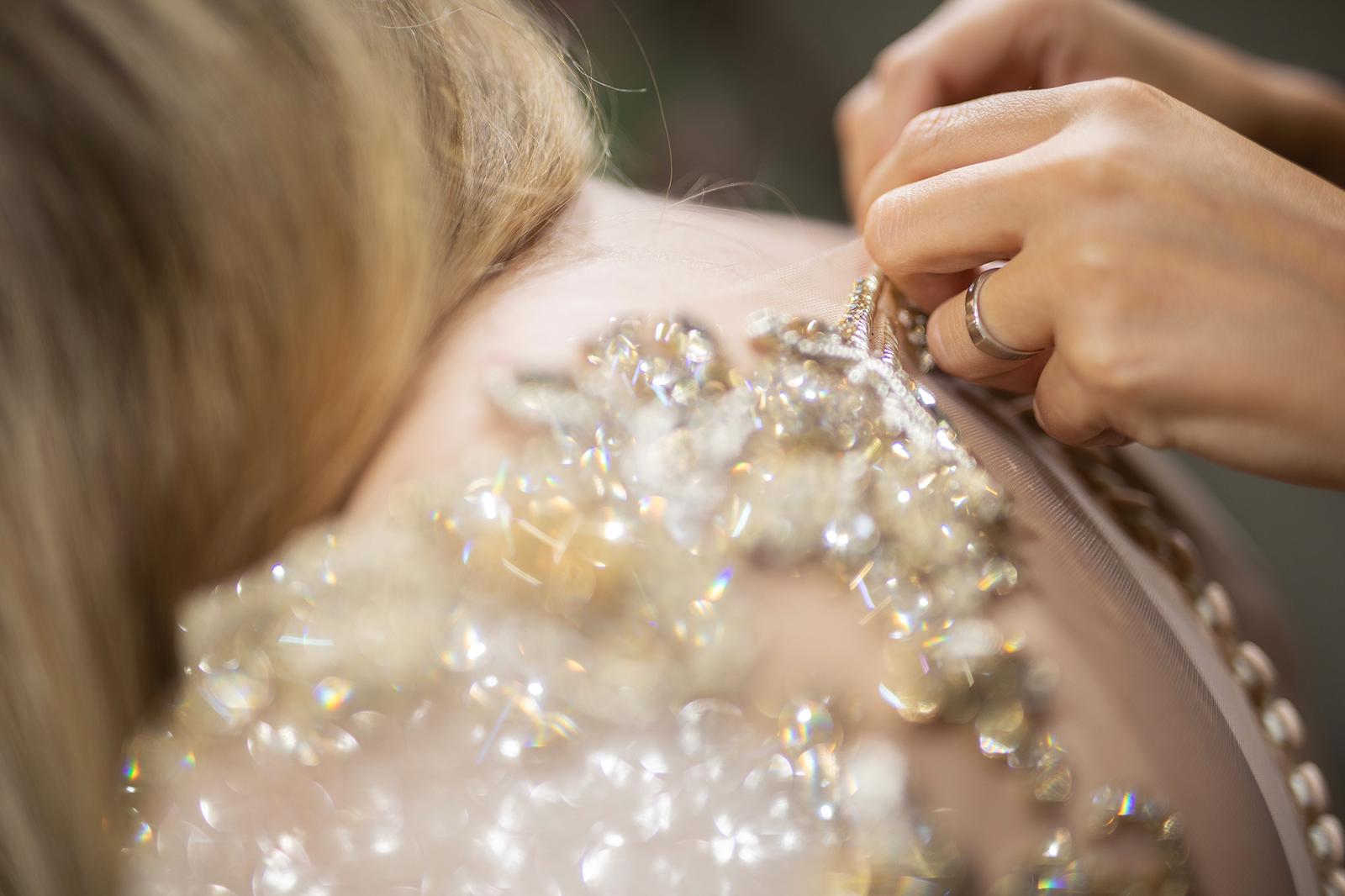
What makes this season interesting is that lightness asks for no sacrifice. Dimension is built with gathers, soft folds and appliqué laid on tulle instead of layers of dense satin; shine comes from fine pearls and glass beads that flicker in candlelight rather than glare. Volume is made of air, not mass.
That logic suits summer ceremonies in a courtyard, long family celebrations, and brides marrying while expecting — soft, weightless cloth follows a changing body without pressing on it. A lighter gown also travels better: it creases less, it is easier to carry, and it is simpler to collect and return when the dress is rented for a wedding beyond our border.
If you want to feel at ease in your dress long after the ceremony, come to a private fitting without hurry and ask how much the gown actually weighs. The answer often decides more than a photograph.