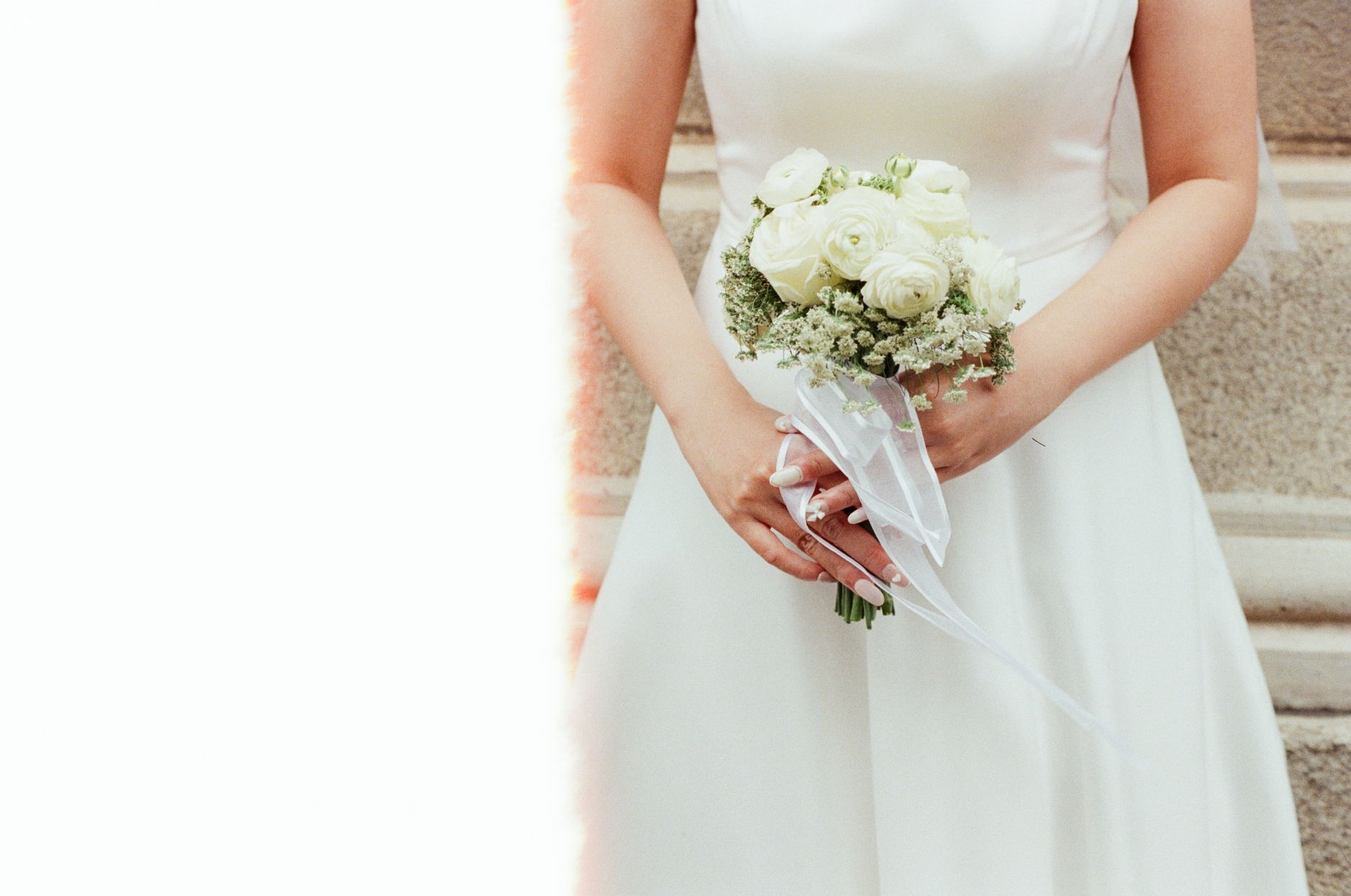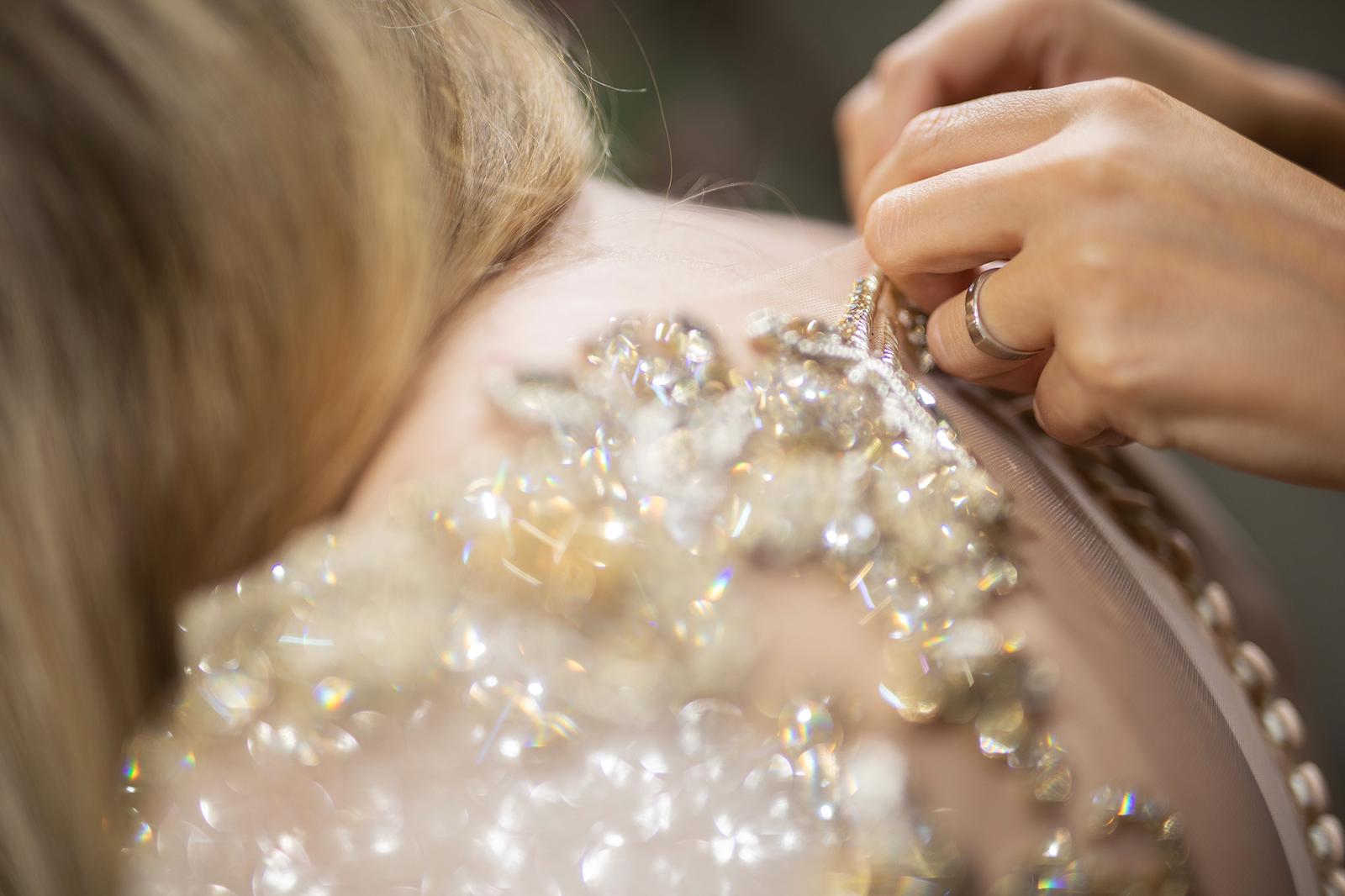

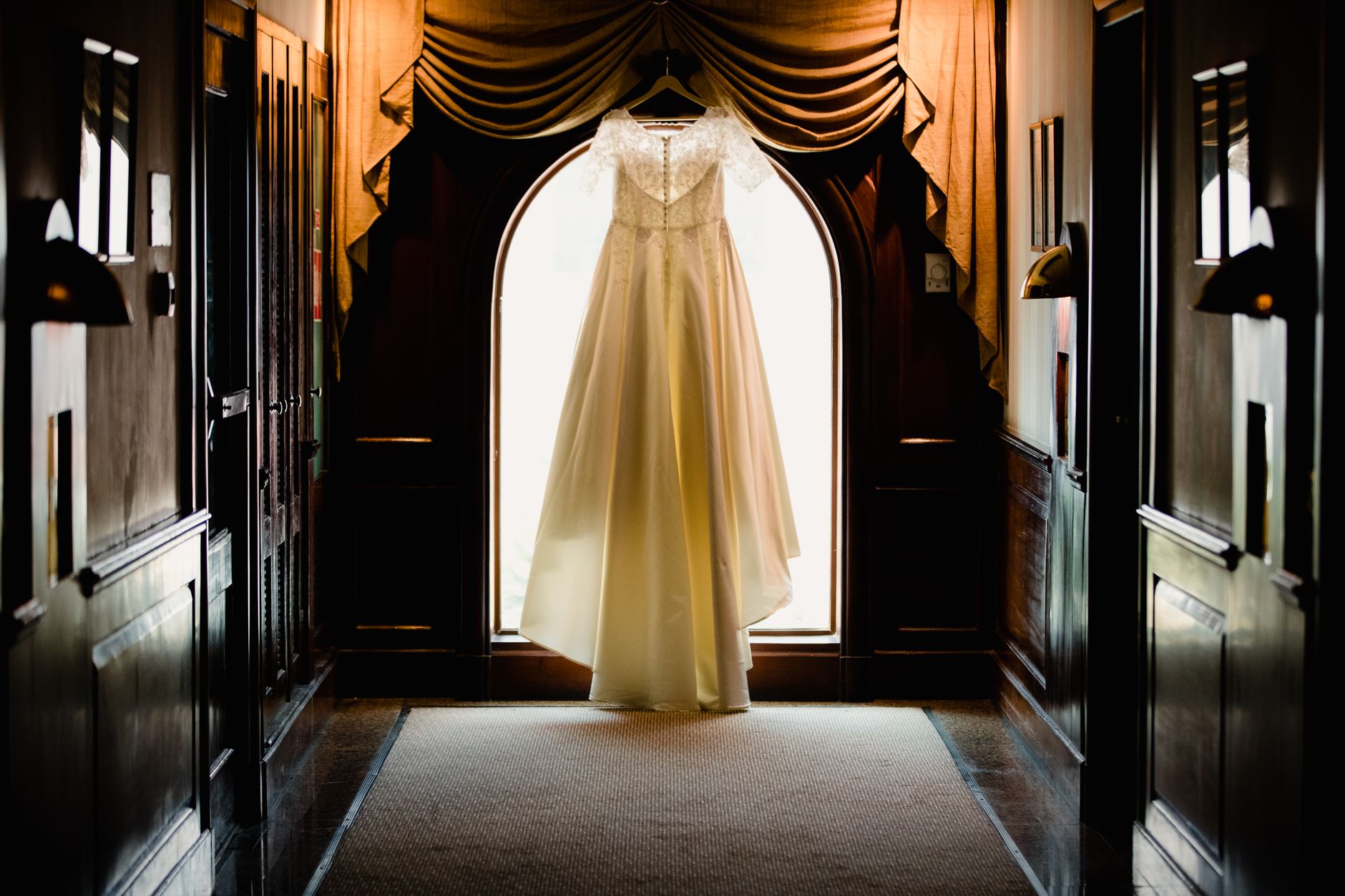
After several seasons in which lace, tulle and shimmering embroidery did most of the talking, attention has returned to a fabric that needs no ornament at all. Satin is leading again — though not the stiff, mirror-bright satin of old albums. This season's version is softer, far less reflective and much more fluid. Rather than glittering, it gathers light in long strokes and draws the line of the body as you walk.
Three fabrics, one name
Satin is a weave, not a single cloth, and the differences matter more than the name suggests.
- Fluid satin — light, almost creamy under the fingers. It falls close to the body, suits narrow straps and quiet necklines, and looks its best in motion.
- Crepe-backed satin — a soft sheen on one face, a matte grain on the other. Firm enough to hold an upright column, and the two faces can be played against each other on a cuff, a sash or a hem.
- Heavy woven satin — dense and smooth, with enough body to stand on its own. This is the cloth behind sculpted necklines, wide shoulder bands and skirts that keep their shape until the last dance.
What satin asks in return
A smooth fabric is an honest one. It hides no seam, no edge of underwear, no unnecessary fold, which is why a satin gown is judged by the construction beneath it rather than the decoration above. The simpler the silhouette, the more the measurements matter; a range from 34 to 44 leaves room to adjust the line patiently, from one fitting to the next. A softer satin with a raised waist is equally generous to brides who will be expecting on the day, following the shape instead of gripping it. And satin remembers everything — a fingertip, a drop of water, the back of a chair — so it is kept covered on its hanger and handled sparingly before the ceremony.
How to test it at a fitting
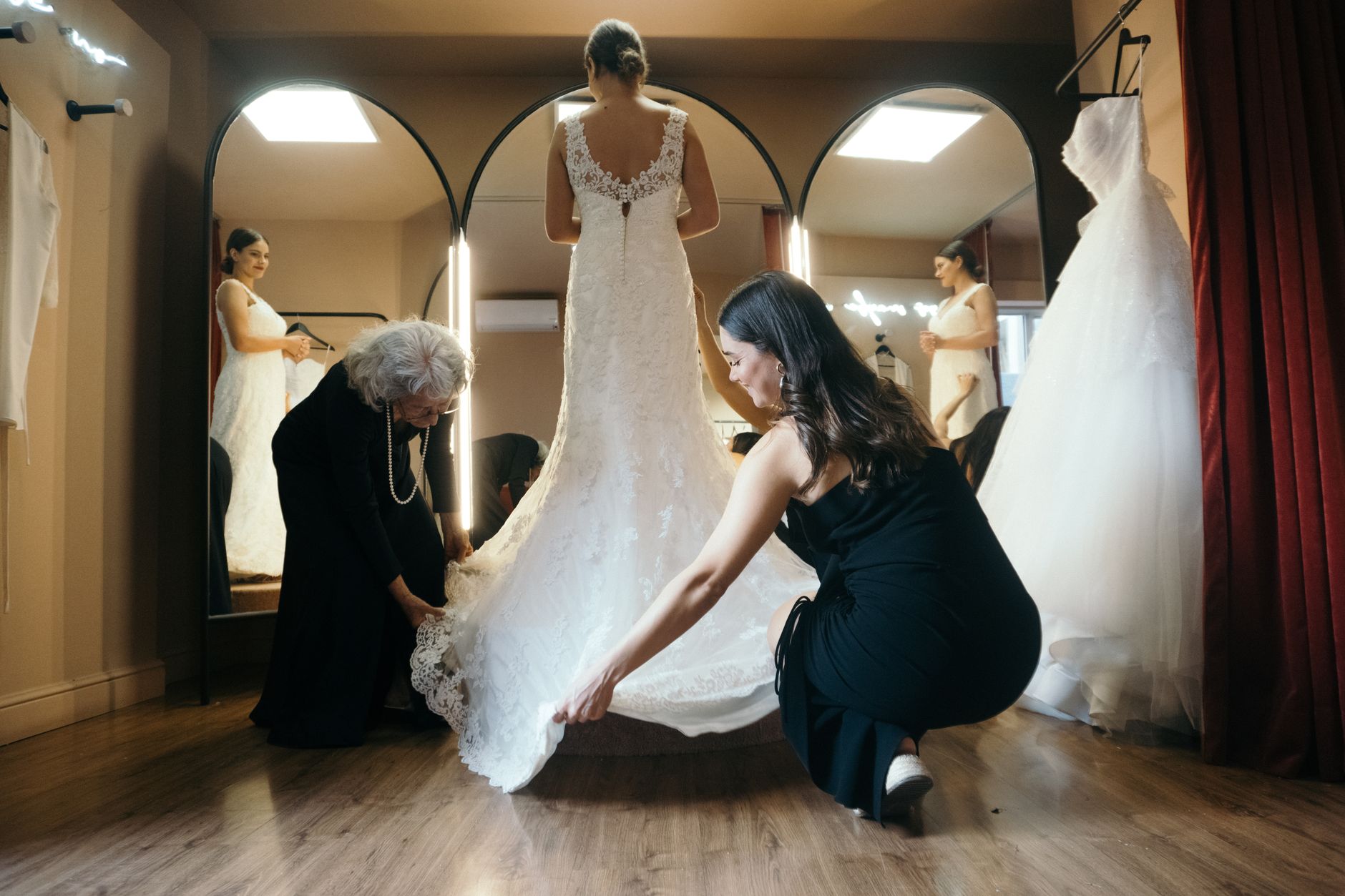
Satin cannot be judged standing still in front of a mirror. Walk the length of the salon, sit down, turn, lift your arms. Look at the cloth by the window and then under warm evening light: one shade can read as two. Notice how the fabric behaves at the waist when you sit, because that is what separates a well-cut satin gown from one that merely photographs well on the hanger.
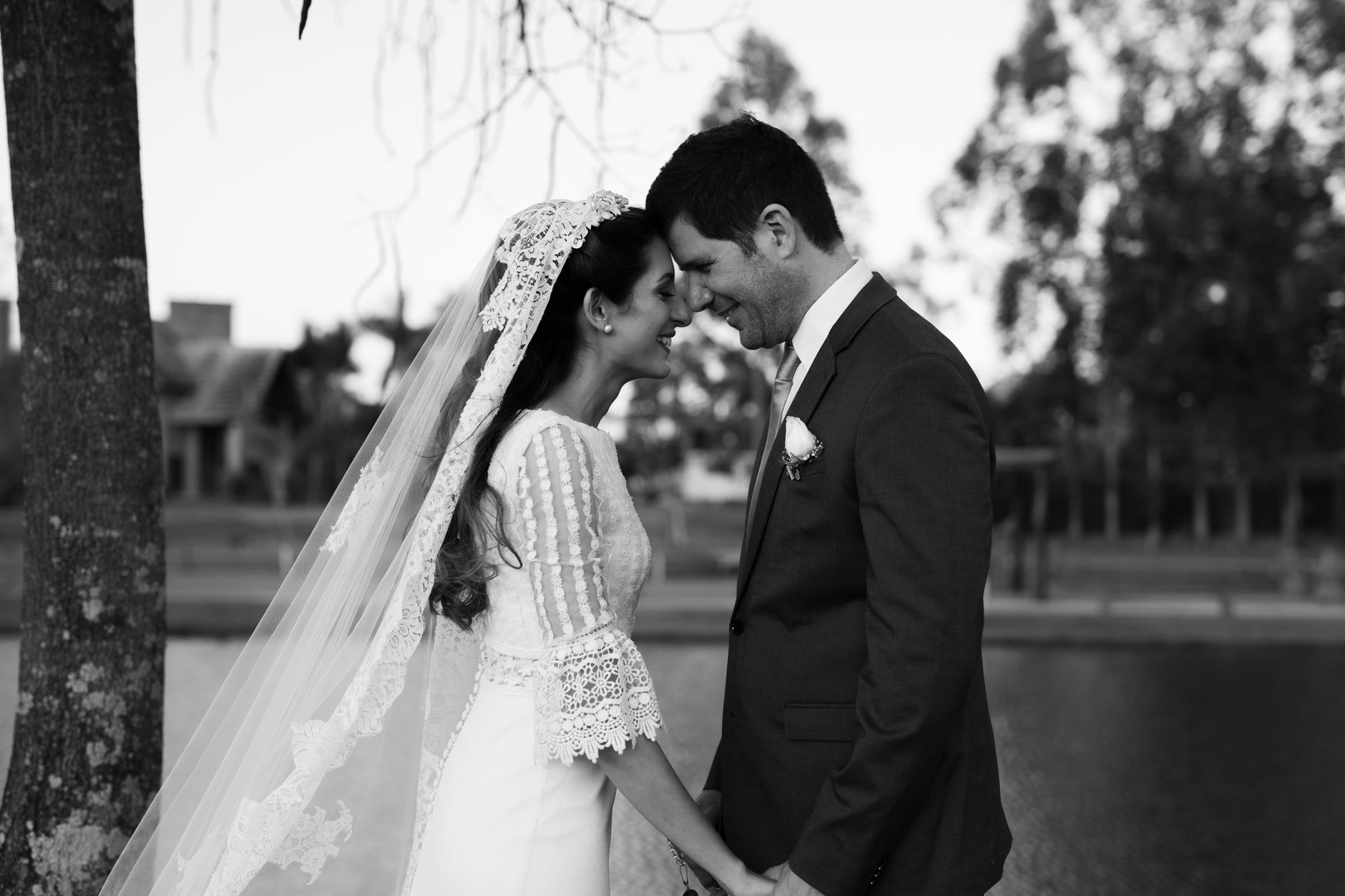
With a fabric this calm, a veil in soft tulle and a single discreet piece of jewellery are enough; satin does the rest. Satin gowns can be rented or purchased, and fittings are held by appointment only, unhurried and private — and for brides coming from Serbia, Croatia or further afield, the rental contract is valid across the border, so the planning stays a matter of dates rather than paperwork.