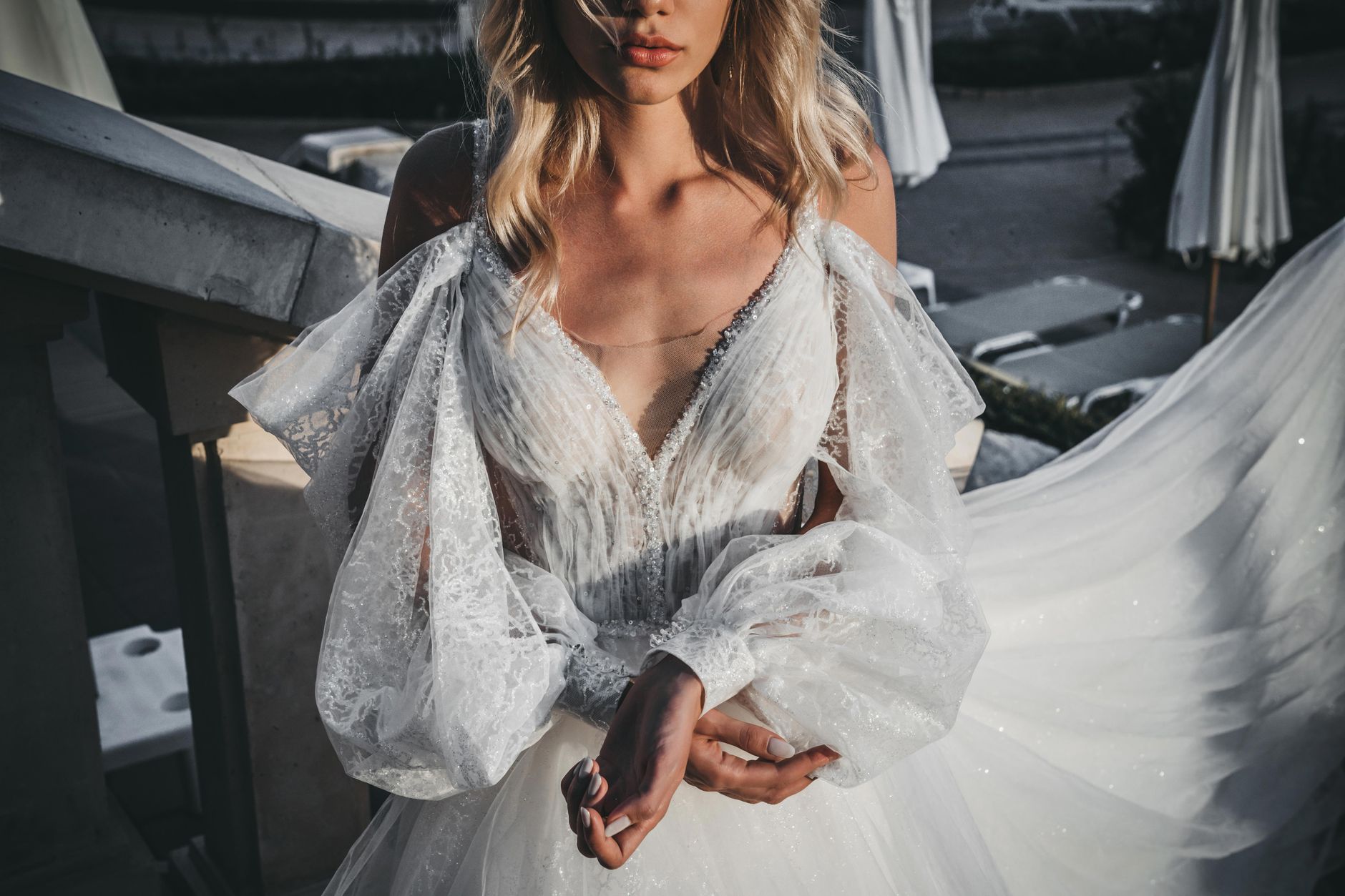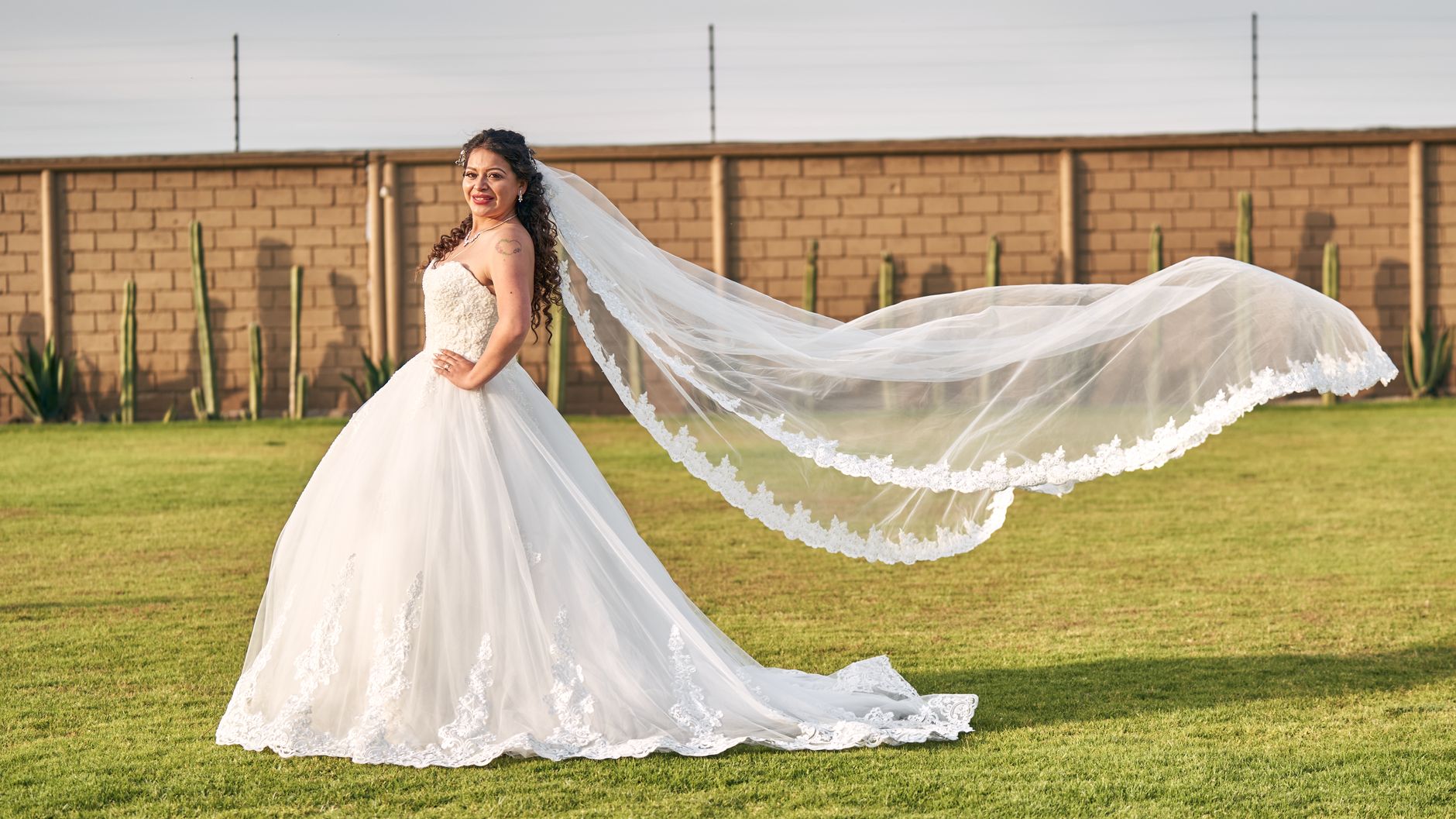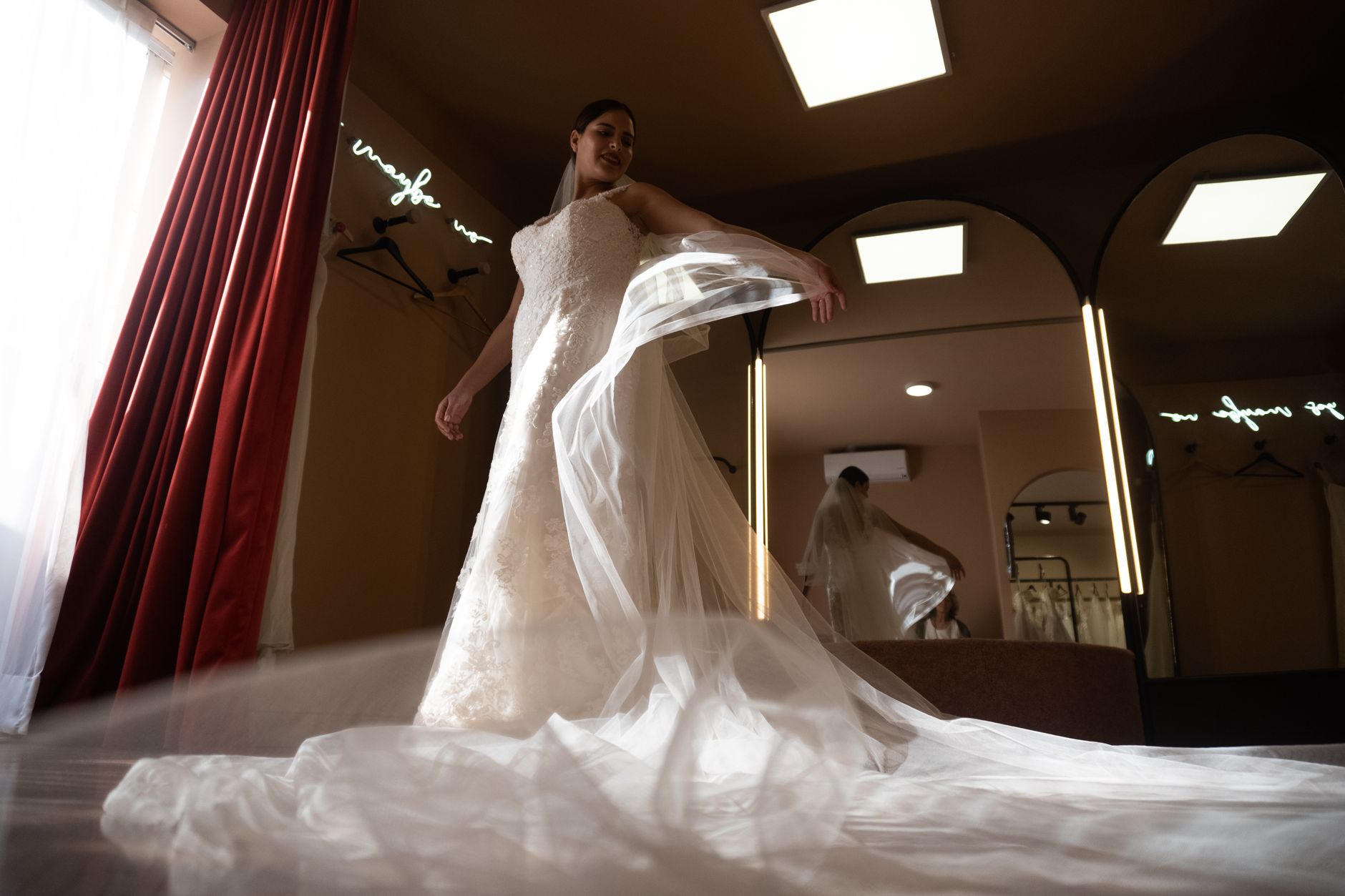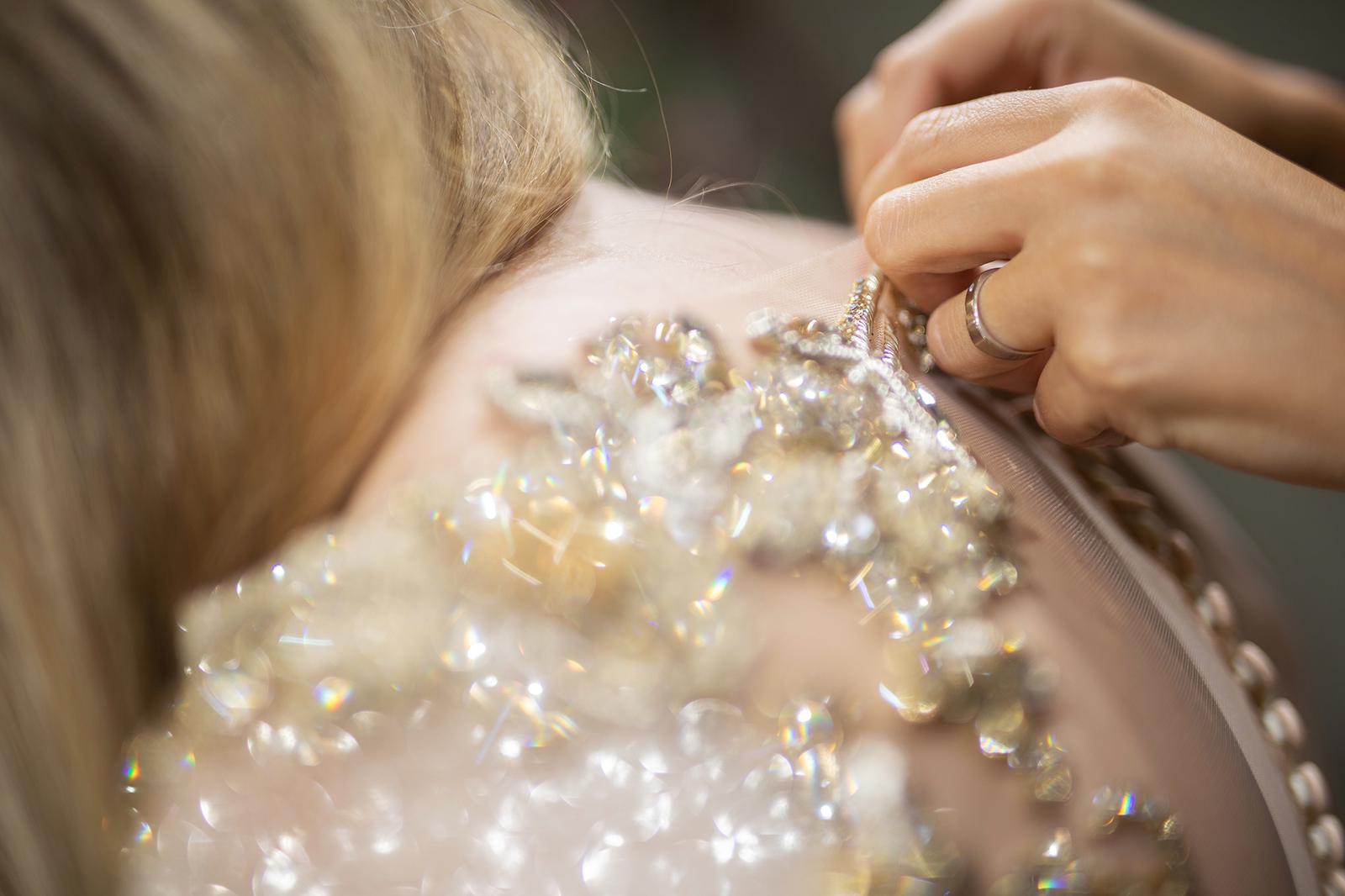

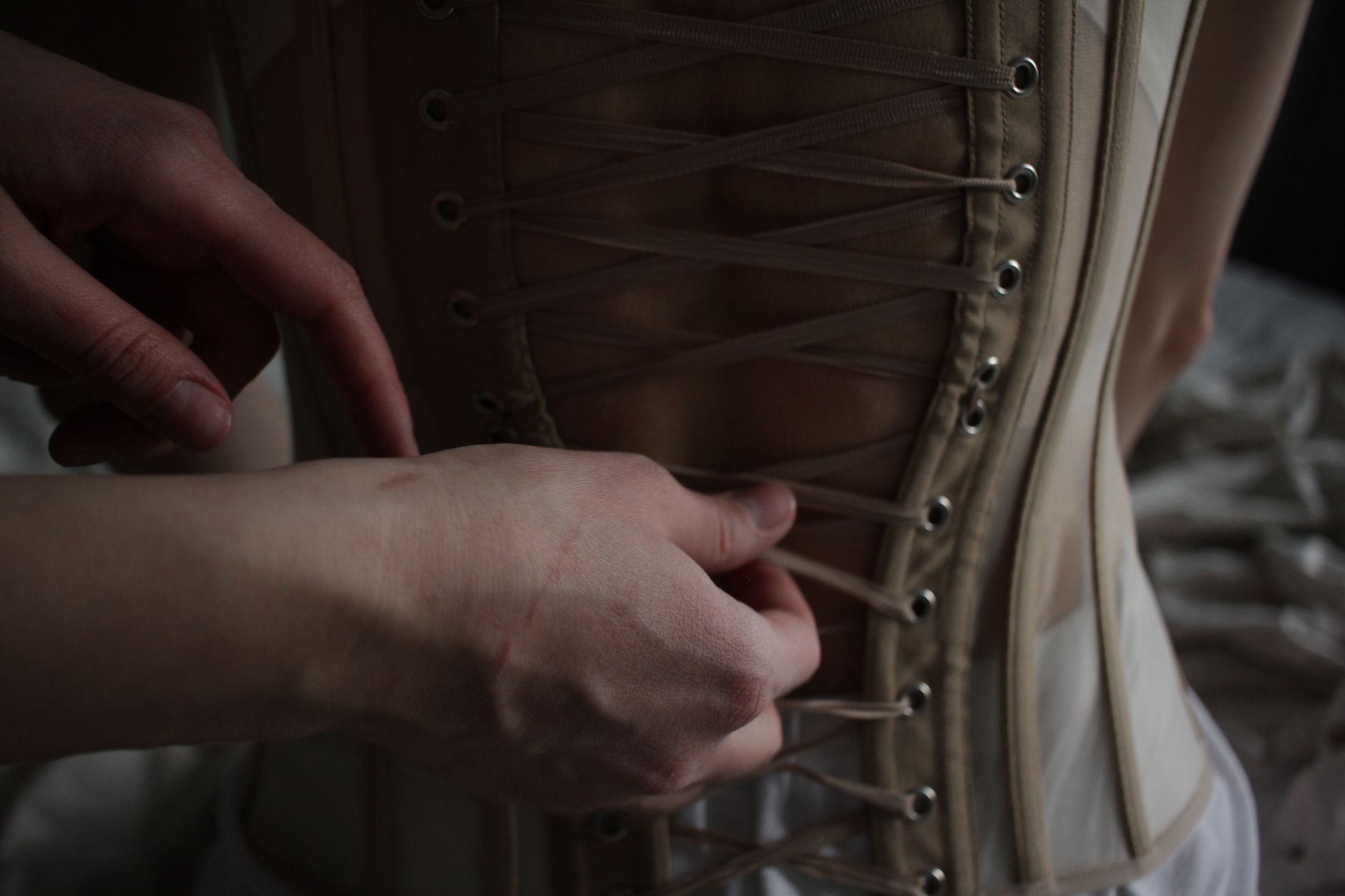
A wedding gown is chosen with the eyes, but it is worn for a whole day. What decides whether the silhouette stays exactly where you left it, from the first photograph to the last dance, is almost never visible in that photograph: the boning, the waist stay, the lining and the layers of tulle hidden beneath the outer cloth. This season that inner architecture has stepped forward. Sculpted bodices, boning that is sometimes deliberately on show, and matte satins and gazars that hold their own shape all ask for construction that is far more than decoration.
A bodice that holds rather than grips
A well-built corset does not rely on being pulled tight. The bones are usually spiral steel, flexible in every direction, and are placed along the seams so that the fabric stays smooth and the bodice cannot roll or slide down. The most important element is also the least known: a narrow waist stay, fastened separately around the body, which carries the weight of the skirt and the train. When it does its work, the gown no longer hangs from your shoulders. It stands on its own, and you breathe freely.
This is why a measurement is never only a circumference. We look at the depth of the ribcage, the distance between waist and hip, the way the shoulders sit. The same number on the tape can call for two entirely different interiors.
Layer beneath layer
Under the outer fabric there is usually more than brides expect:
- Lining that gives the cloth weight and stillness, particularly with fine satins and crepes.
- Built-in cups that replace a bra and leave the back and shoulders free for open cuts.
- Tulle underskirts, whose number of layers decides whether the skirt floats or falls straight along the body.
- Discreet loops for bustling the train, stitched so they never shadow through a pale fabric.
With the sheer and draped shapes so sought after this season, the structure has to shrink almost to nothing and still stay firm. That is where the difference shows most clearly between a gown that is merely well cut and one that has been thought through from the inside.
How to test it at a fitting
A private fitting, arranged in advance and never hurried, exists precisely for this. We will not keep you standing in front of the mirror: sit down, raise your arms, embrace someone, walk to the far end of the room and back. If the bodice travels, the issue is construction rather than size. Across sizes 34 to 44 almost any shape can be adjusted, and maternity gowns are built differently altogether, with a softer interior, adjustable lacing at the back and a line that leaves room for the final weeks.
The same applies to a gown that is rented. A well-kept dress keeps its inner form as faithfully as its outer one, and our rental contract is valid across the border, so brides from Serbia, Croatia and the diaspora can count on their gown even when the wedding is far from Tuzla.
In the end, what cannot be seen is what you remember longest: not how the gown looked, but the fact that you never once thought about it.