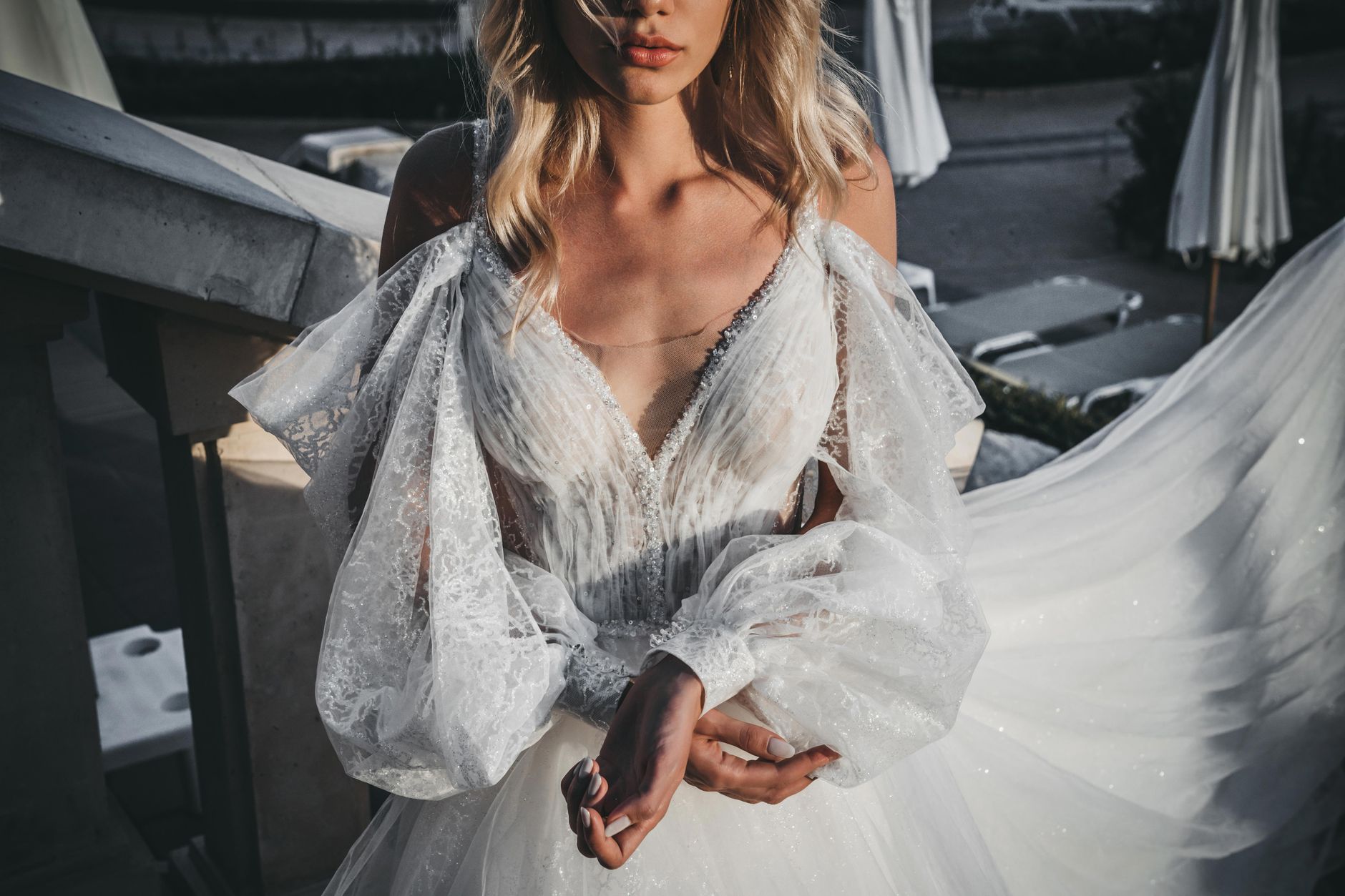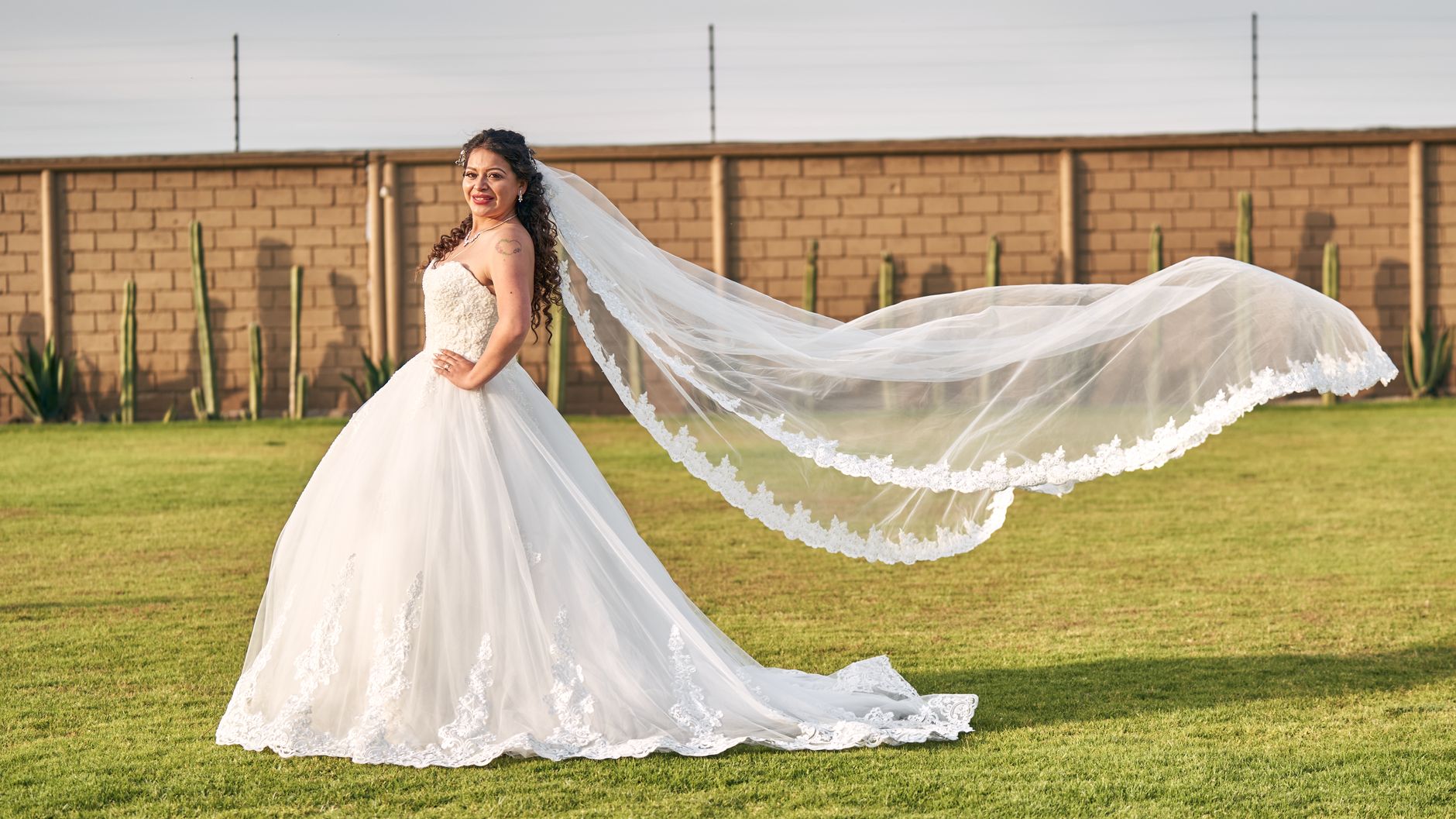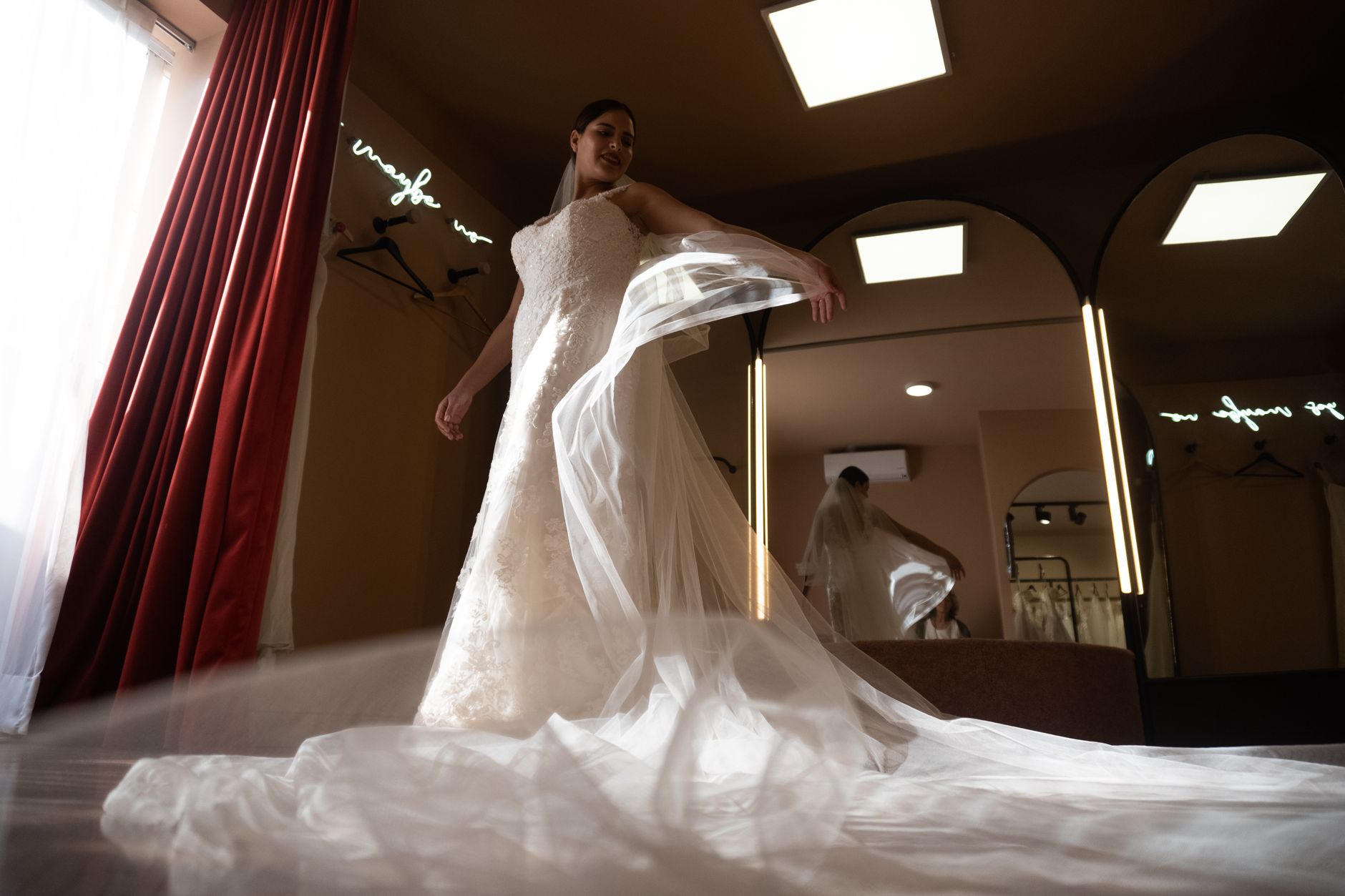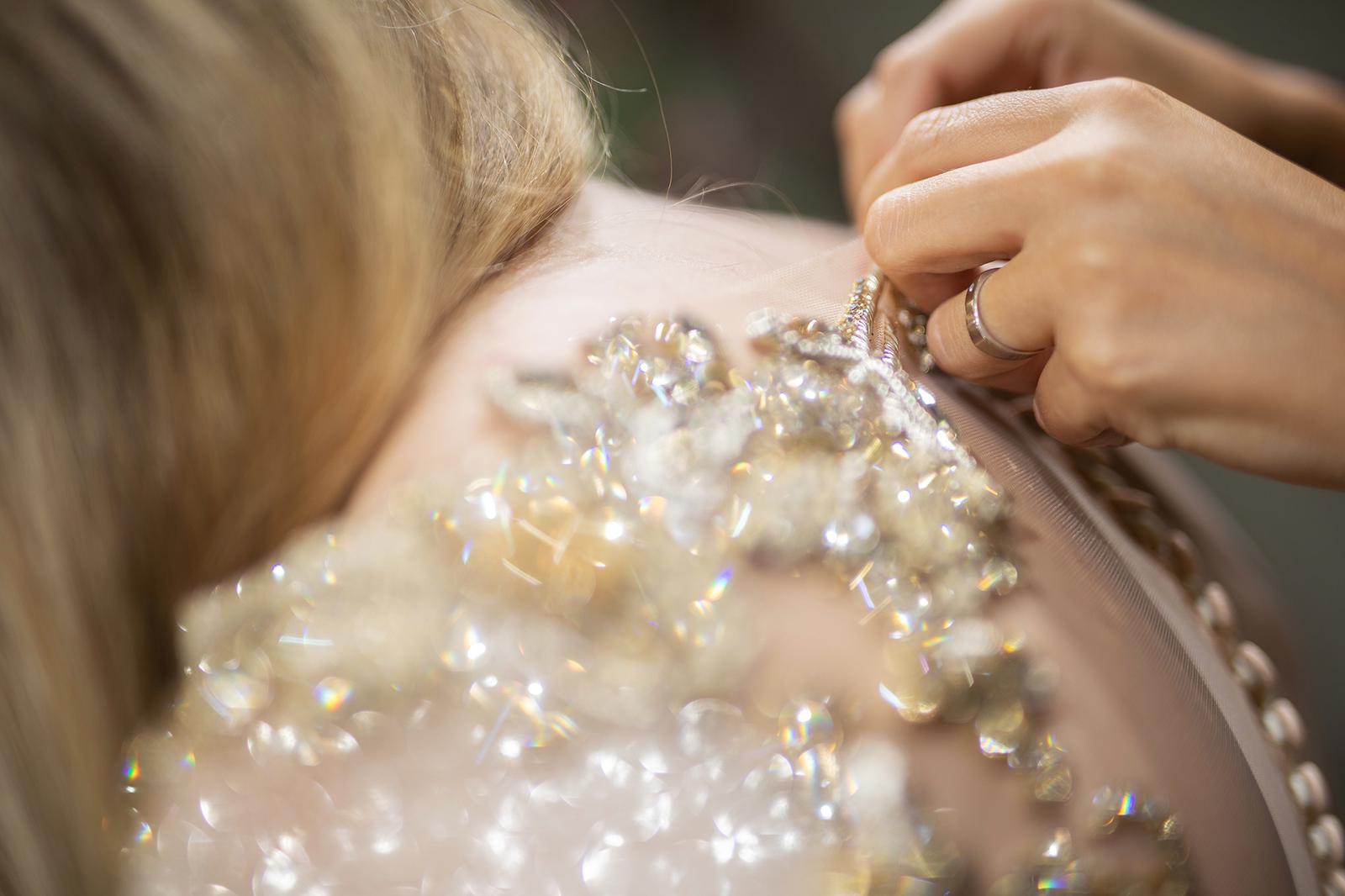

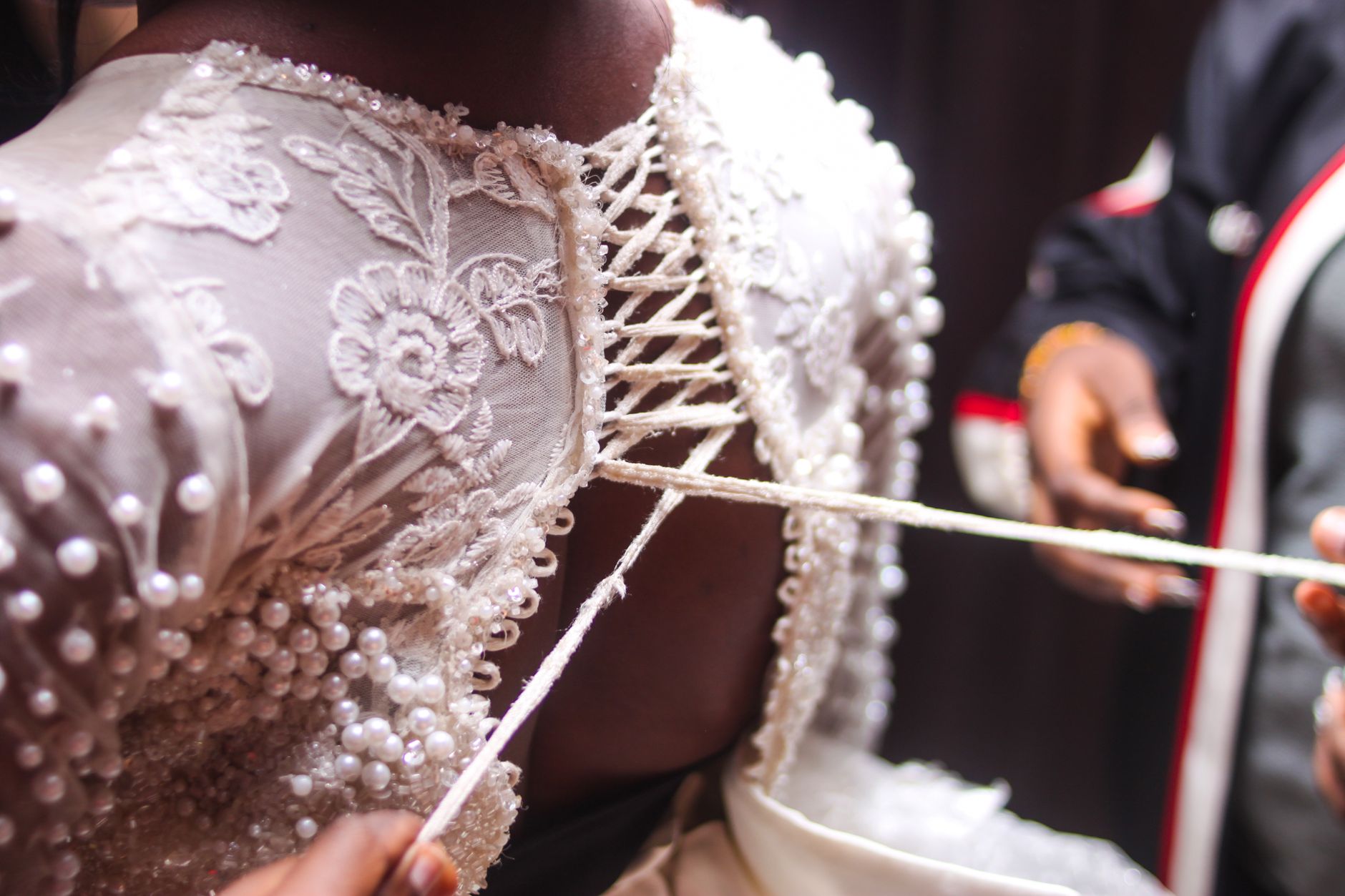
A wedding gown is rarely decided in a single afternoon. Between the first visit to the salon and the morning a bride steps into her dress lies a series of small decisions and, above all, time. This season's shapes ask for a little more of it: visible corsetry, softly draped lines, layered organza volume, and sleeves or capes added as separate pieces. Details like these only sit beautifully when the sewing behind them is unhurried.
The first stretch: when to begin
Salons and brides tend to arrive at the same answer — begin looking roughly nine to twelve months before the date. Gowns made to order travel for months, and even when a dress is chosen from the salon floor, to rent or to buy, it is wise to leave room for alterations and for the small changes a year brings. A shorter timeline is not an obstacle; many gowns have been found in a matter of weeks. It simply narrows the field, which is worth saying plainly at the very first conversation.
A first fitting is calmest when it is booked in advance and the company is small. Two people whose eye you trust is enough; a larger audience usually brings more opinions than clarity. Try several silhouettes, including the one that looks unremarkable on the hanger. With sizes 34 to 44 in the salon, the line can be seen on the body rather than imagined.
Fittings: three appointments that shape the cut
What follows the choice is the least discussed and most decisive part of the process. Alterations usually fall into a familiar rhythm:
- First fitting, two to three months out: the waist height, the fit through the body and the hem length are settled, with the shoes you will actually wear.
- Second fitting, about a month out: the back, the straps, the depth of the neckline and everything worn underneath are refined.
- Final fitting, a week or two before: a check in movement — walking, sitting, embracing — and the agreement on the veil and lifting the train.
Bring the same underwear and the same shoes to every appointment. A centimetre of heel changes the hem, and a different bra changes the entire front line.
Room for the unforeseen
A good calendar also allows for what cannot be planned. Brides expecting a baby tend toward softer, draped cuts that let the line keep changing until the last check, so fittings are set closer to the wedding day. Brides coming from Serbia, Croatia and the diaspora do well to collect the gown a few days early: the rental agreement is valid across the border, so the dress can travel without haste and without improvising on the day of arrival.
The quiet gift of such a schedule is freedom. When time is on your side, a gown is chosen by feeling rather than by deadline.