
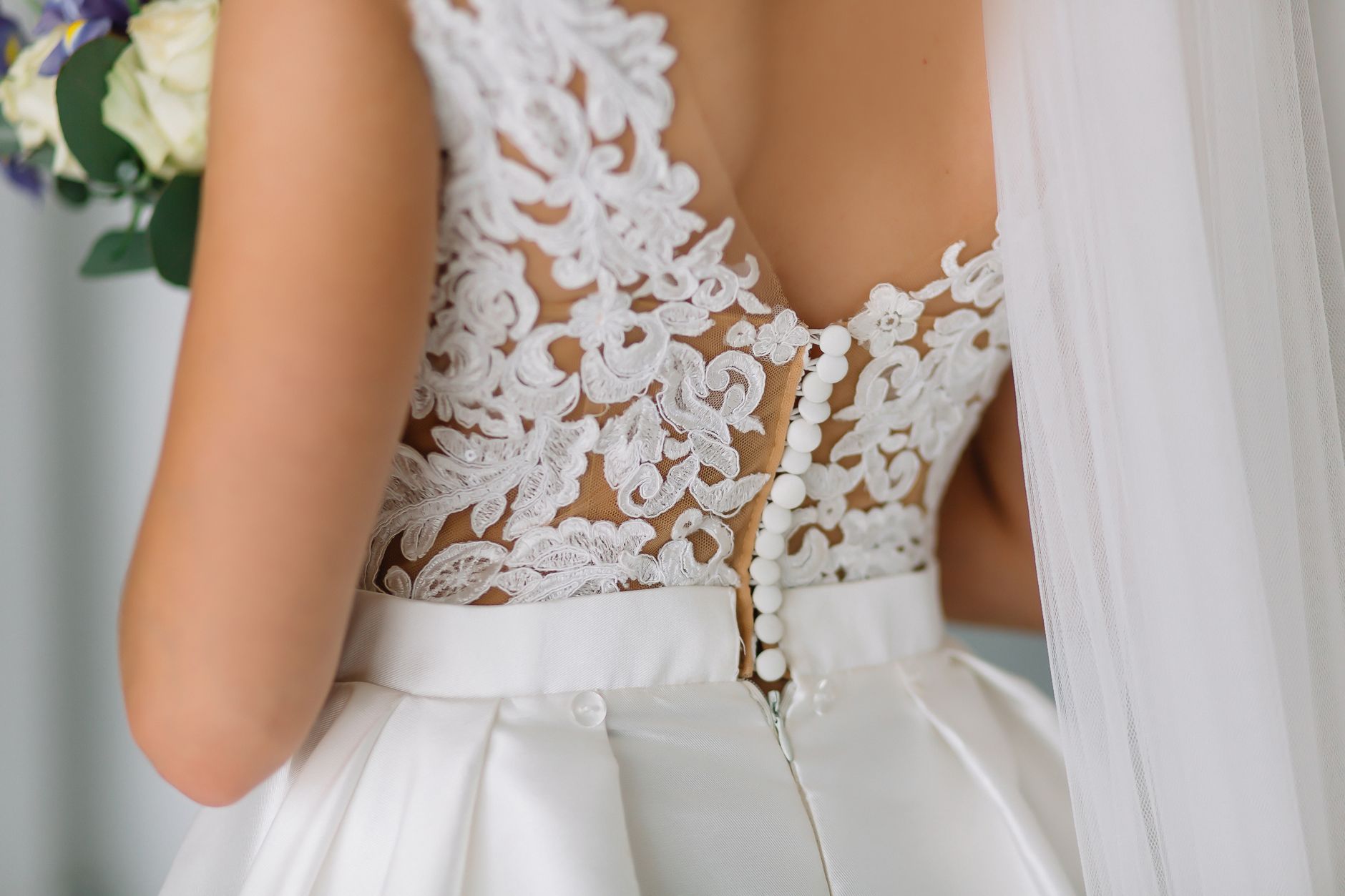
For several seasons, brides have been looking upward — at necklines, at sleeves, at the back of the gown. This season the line that decides everything sits lower. It sits at the waist. Cutting has returned to structure: precise seams, boned bodices, fabric that is shaped before it is decorated. Where the waist begins, the silhouette begins.
The basque waist: a soft V that lengthens
The clearest revival of the season is the basque waist — a line that dips from the hips into a gentle V below the natural waist. It is not a new idea at all, but a historic cut that reads as modern now because it is being made cleanly, without excess ornament. The effect is simple and very generous: the torso appears longer, the hips softer, and the skirt opens lower down, which gives it far more drama.
A basque waist works equally well on a full ballgown in matte satin, on an A-line in tulle, and on a fitted lace column. The quieter the seam and the heavier the cloth, the more refined the result.
Dropped waists and sculpted corsetry
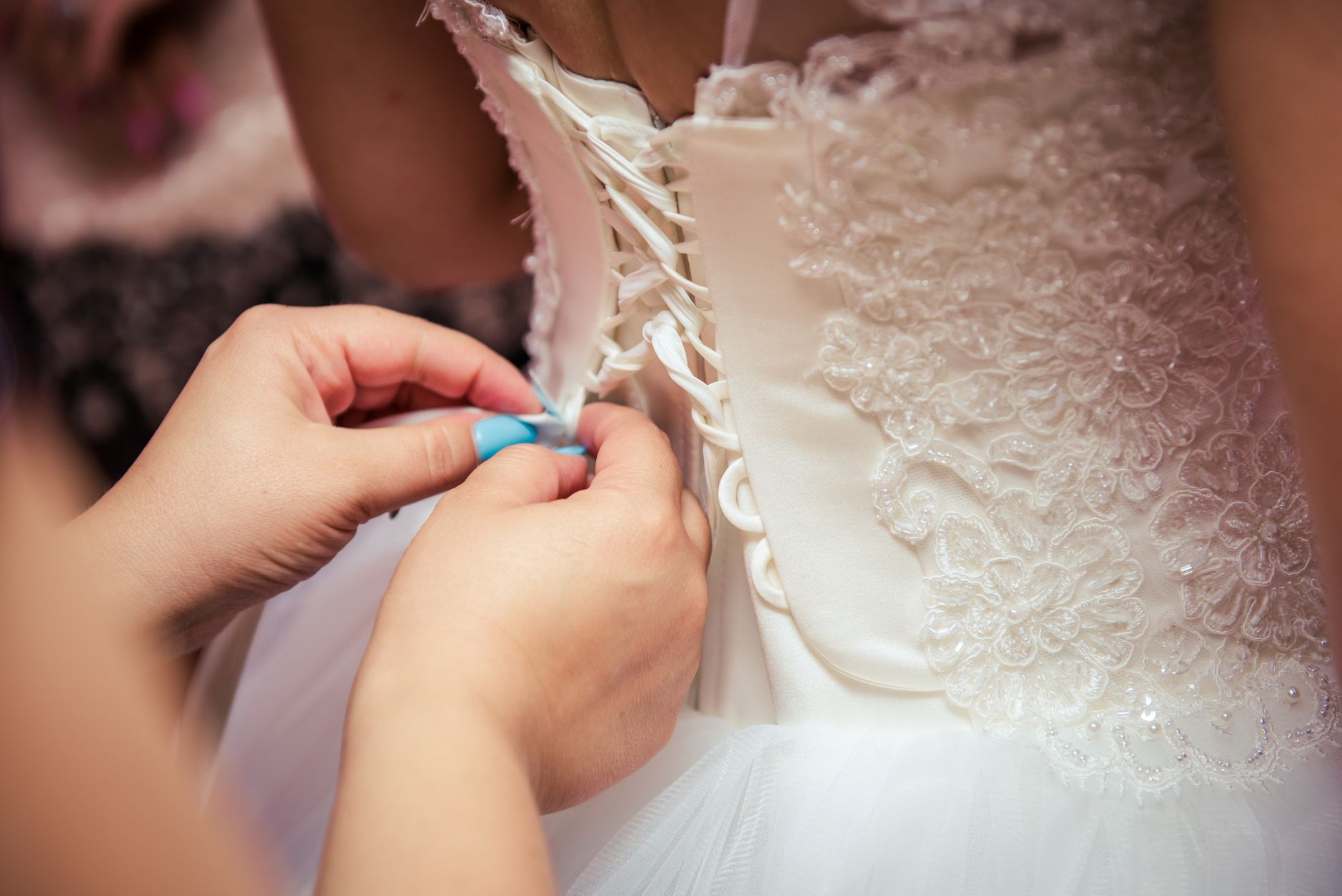
Beside the basque sits its calmer sister — the dropped waist, laid horizontally across the hip. Where the basque line creates movement, the dropped waist creates stillness and architectural clarity. This season it often arrives with a sculpted bodice: visible seaming, sometimes deliberately exposed boning, and a skirt that lifts away from it in controlled volume, occasionally curving into a rounded, bubble-style hem.
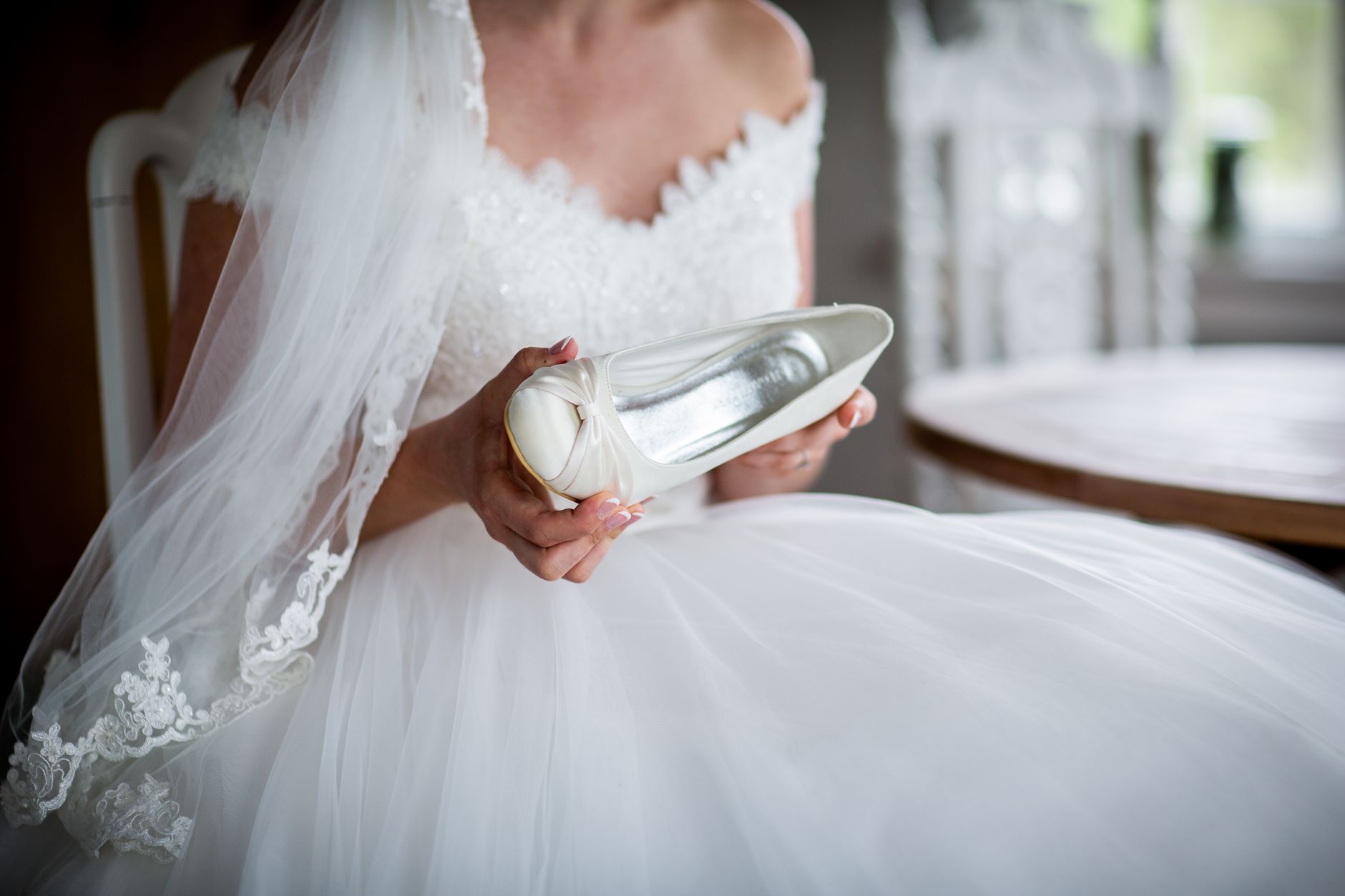
What this cut asks for is patience at the fitting. A dropped waist has to land exactly where it belongs — a couple of centimetres higher or lower changes the whole proportion. This is why we recommend unhurried private fittings by appointment, and always with a shoe at the heel height you intend to wear.
When the waist rises
At the opposite end stands the high, empire waist, tied just beneath the bust and letting the fabric fall freely. It is returning in lighter, almost unstudied versions — fine tulle, soft crepe, a gathered fold instead of a trim. For brides who are expecting, it remains the most comfortable line of all, and we keep styles cut with exactly that in mind.
How it works in practice
- Taller brides carry a dropped waist effortlessly; petite figures usually gain more from a basque V.
- Matte fabrics — satin, jacquard, mikado — hold a shaped waistline better than shine does.
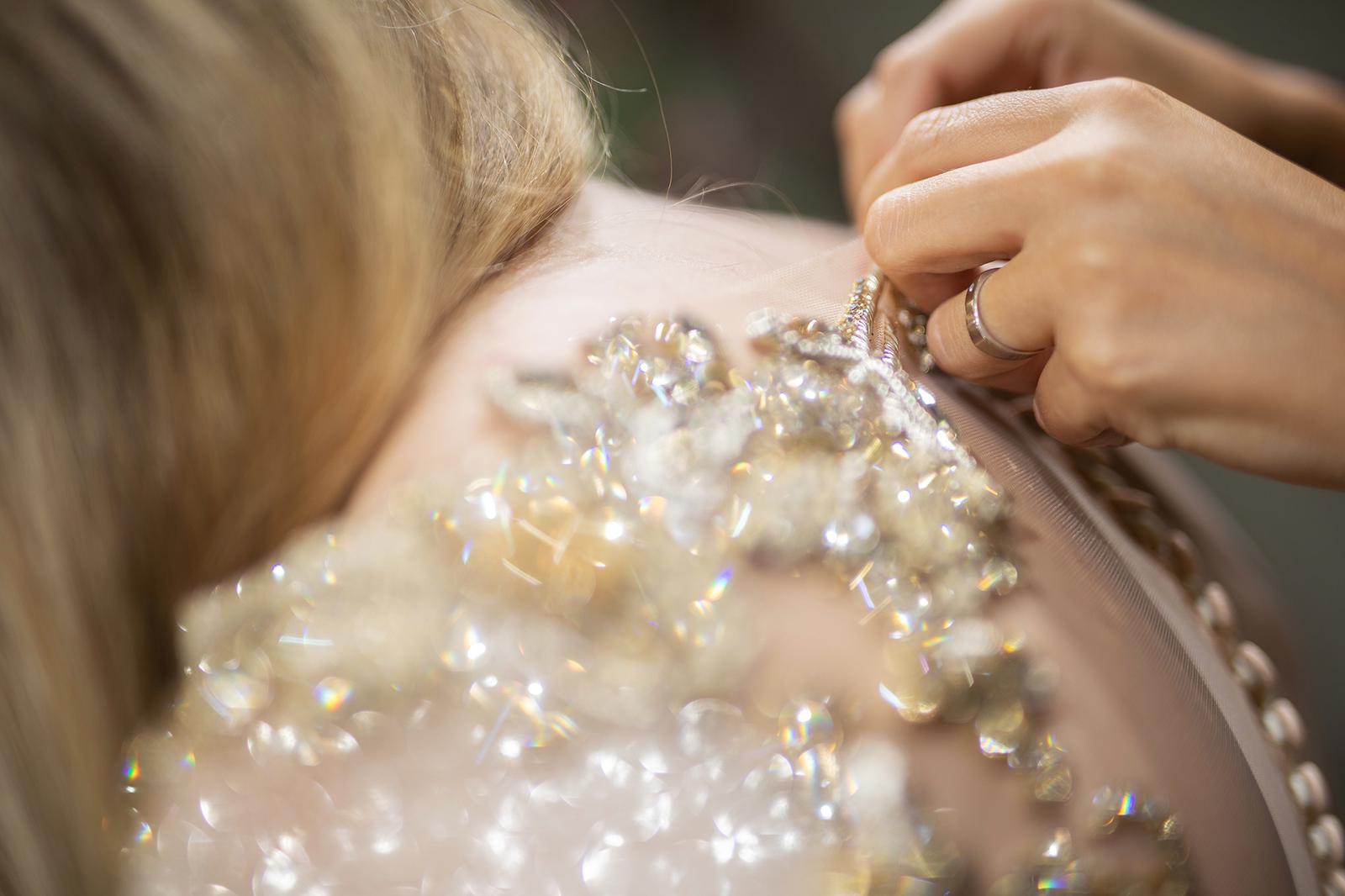
- Veil and jewellery should stay quiet: when the waist speaks, everything else whispers.
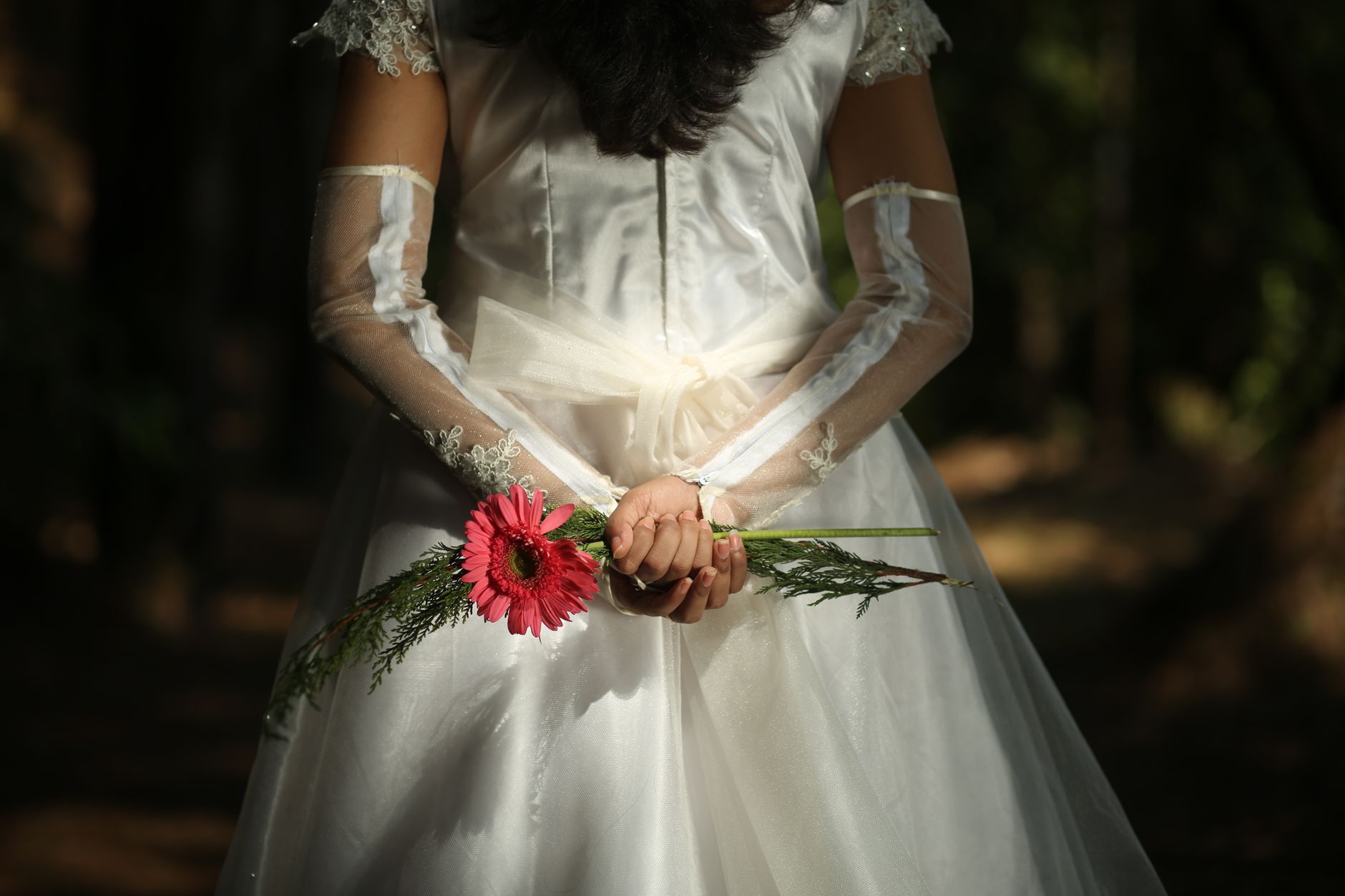
- A sash or bow in the same tone as the gown can raise the waistline without a single added embellishment.
Gowns in these cuts can be rented or bought, in sizes 34 to 44, with alterations focused on that one crucial line. For brides coming to us from Serbia, Croatia and further afield, the rental contract is valid across the border, so the dress can travel to the wedding without complication.